Most Common Garage Door Repairs and How to Handle Them
Montreal homeowners rely on a well‑working garage door—especially during brutal winters—so when it jams on a frigid January morning, life stalls. This guide breaks down how residential garage doors work, the 5‑7 most common problems (causes + solutions), which fixes you can DIY and which need a pro, how Montreal’s weather impacts performance, maintenance tips to prevent issues, and clear signs it’s time to call an expert. Let’s dive in!
How Your Garage Door Works: Basic Components
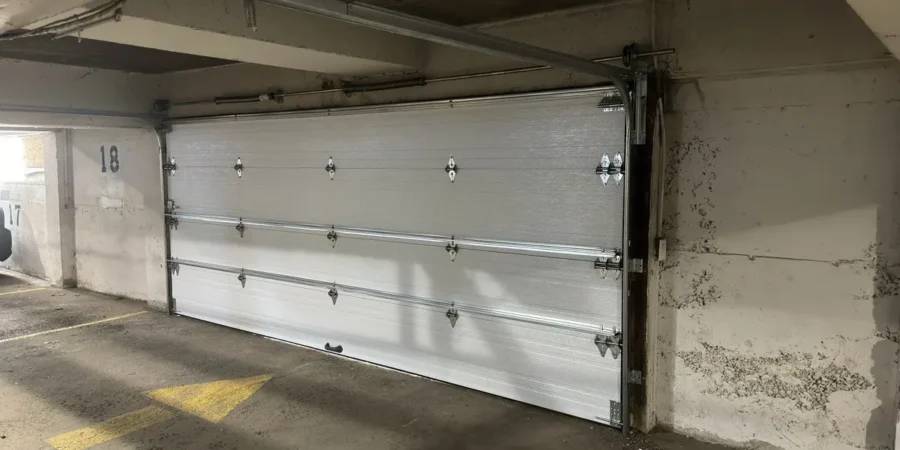
A residential garage door is a finely balanced system of interdependent parts. Sectional panels, linked by hinges, flex as they roll on steel tracks and nylon rollers. Torsion or extension springs counter-weight the heavy door, while cables wound around drums keep it moving evenly. An overhead opener’s motor drives a chain, belt, or screw to pull or push the door, all safeguarded by photo-eye sensors that stop and reverse if the beam is broken. Weatherstripping seals the door’s edges, blocking Montreal’s cold, snow, and debris. When any one of these components fails, the whole mechanism can struggle or stop altogether.
Broken Garage Door Springs
Problem / Symptom
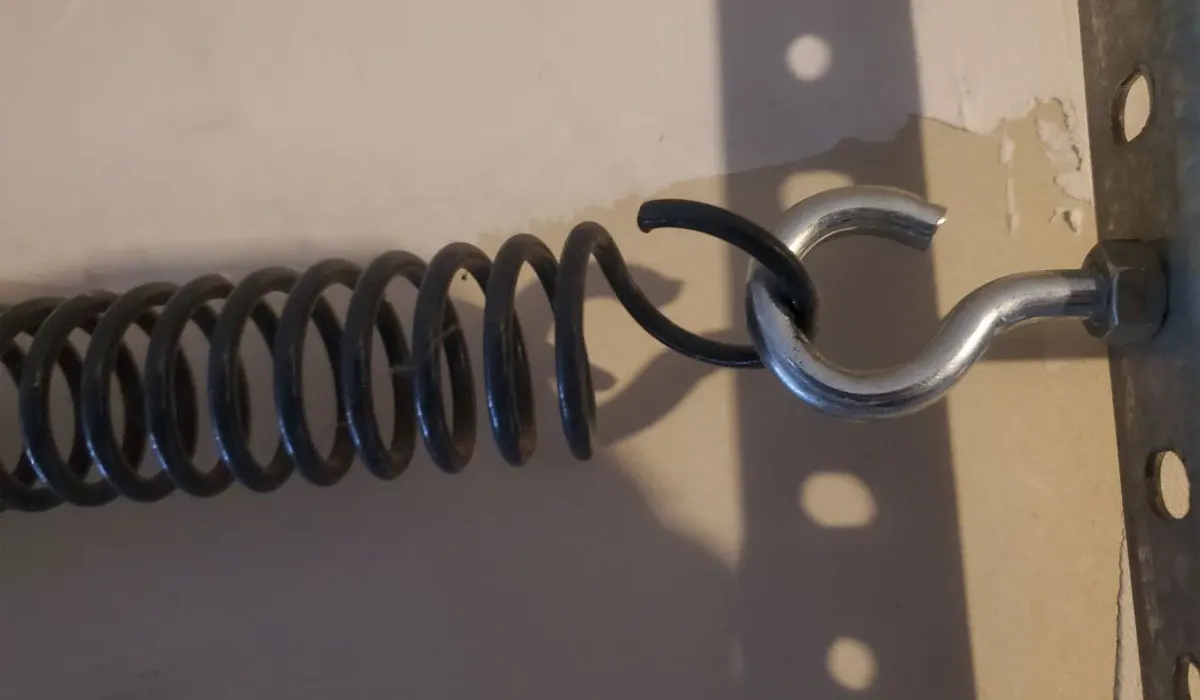
Springs wear out after roughly 10,000 cycles and are prone to snapping during frigid nights, often with a gun-shot bang. Once broken, the door may feel impossibly heavy, rise only a few centimeters, or crash shut because the counter-balance is gone. A visible gap in a torsion spring or a slack cable beside an extension spring confirms the failure.
Solution
Stop using the opener immediately and avoid lifting the door by hand, as 150 lb + of weight is now unsupported. Springs hold lethal tension, so replacement is a technician-only job that includes installing matched pairs and resetting cable drums. After the swap, the pro rebalances the door and checks force settings to safeguard the opener.
Frayed or Broken Cables
Problem / Symptom
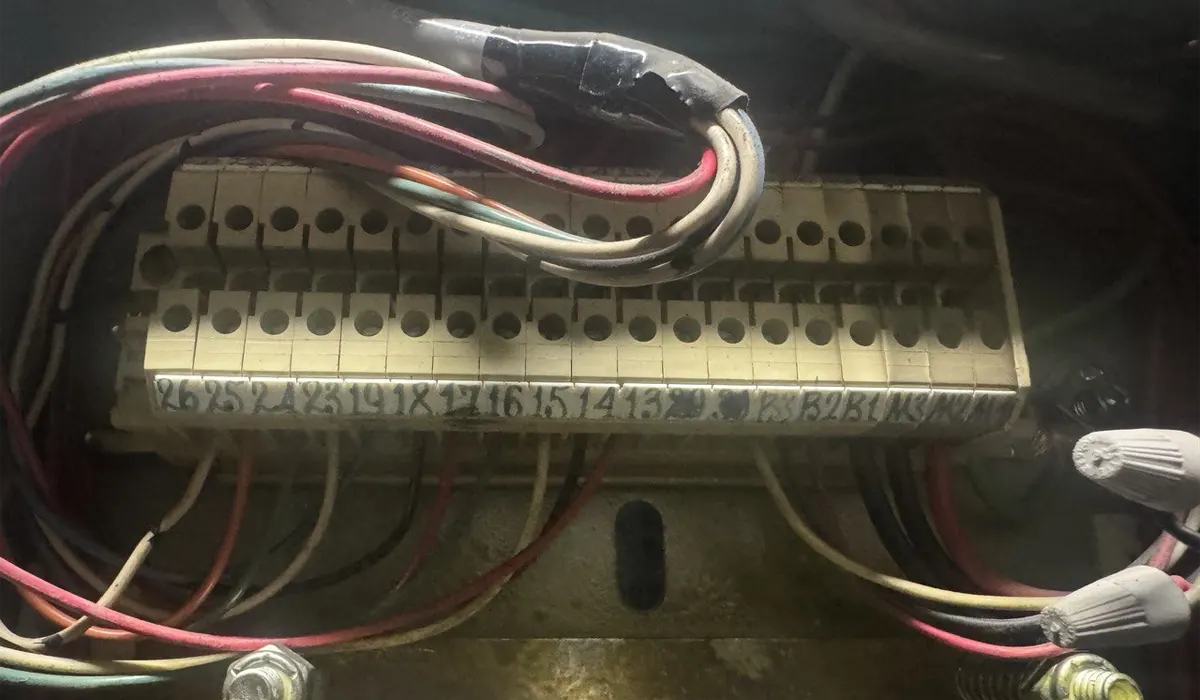
Salt-induced corrosion or sudden overloads can fray a lift cable until it snaps, leaving one side of the door sagging or jammed in the track. You might see a loose cable whipping around, hear a sharp snap, or notice the door stuck on a diagonal. Because springs and cables work in tandem, a cable failure often follows a broken spring or causes the door to derail.
Solution
Halt all movement and unplug the opener to prevent the door from sliding out of the tracks. A professional will safely release spring tension, replace both cables for equal strength, and realign the door before re-tensioning the system. They’ll also inspect rollers and tracks for bends caused by the uneven load.
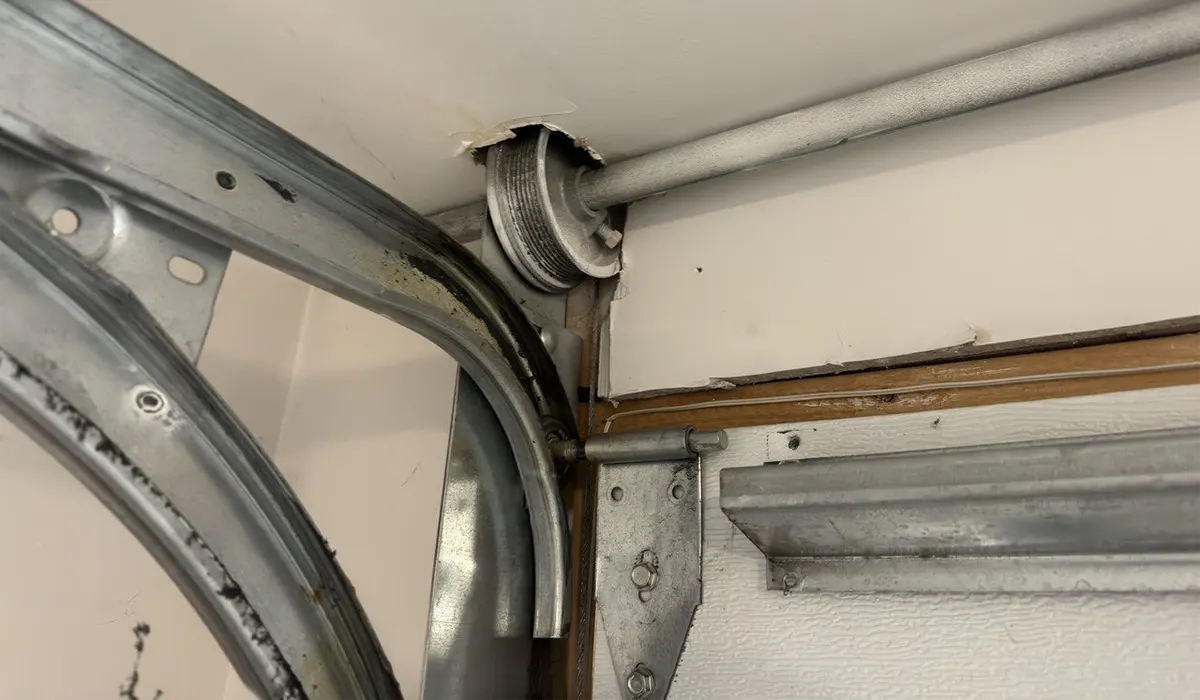
Garage Door Off Track (Misaligned Door)
Problem / Symptom
A car bump, broken cable, or loose bracket can jerk rollers out of their grooves, leaving the door crooked and grinding against bent rails. Visible gaps between rollers and track, harsh scraping sounds, or a door stuck mid-travel signal misalignment. In extreme cases, sections may buckle or hang, posing a collapse risk.
Solution
Do not force the opener; instead, secure the door with locking pliers below the lowest roller and disconnect power. A technician will straighten or replace bent track, tighten mounting hardware, guide rollers back in, and correct the underlying cause (often a damaged bracket or roller). Once realigned, they’ll test travel limits and lubricate to ensure smooth rolling.
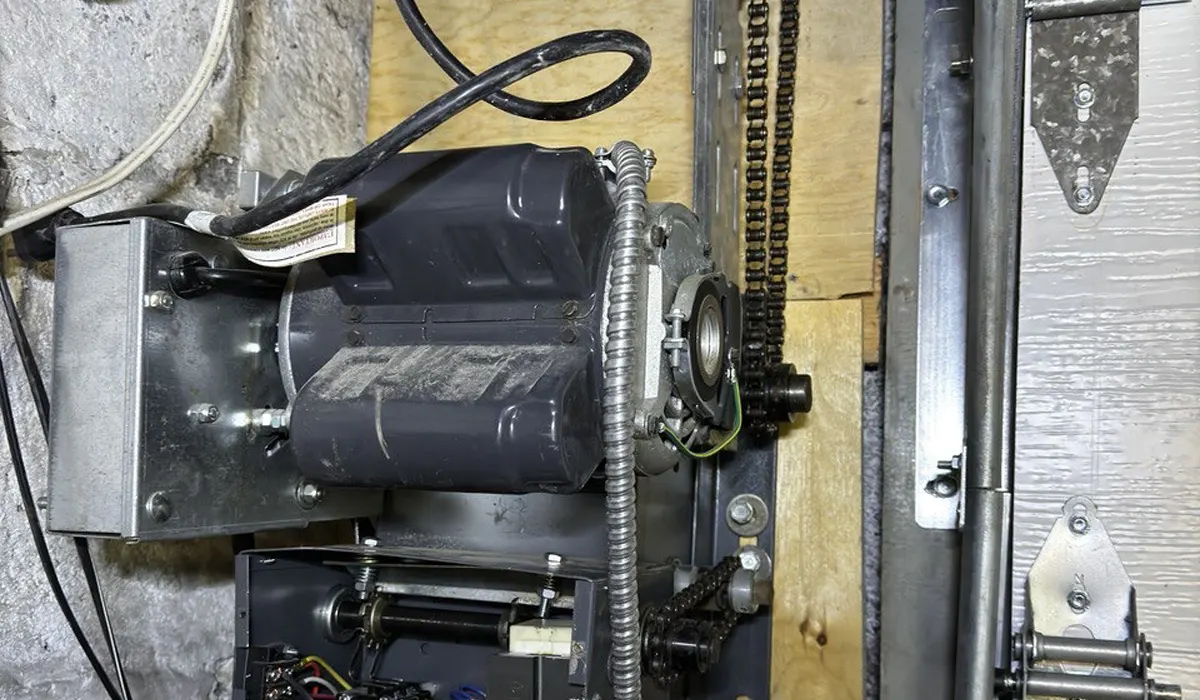
Malfunctioning or Blocked Safety Sensors
Problem / Symptom
If the door opens but reverses when closing, blinking lights or dark LEDs on the photo-eyes point to misalignment, dirt, or frost blocking the infrared beam. Winter condensation or a bumped snow shovel can nudge a sensor just enough to break line-of-sight. The opener then interprets an obstruction and refuses to shut for safety.
Solution
Remove any objects, gently clean and dry both lenses, then realign sensors until their indicator LEDs glow steady. Test the door; it should now close without reversing. If lights stay out, wiring may be loose or a sensor failed, requiring a professional to repair connections or install a new pair.
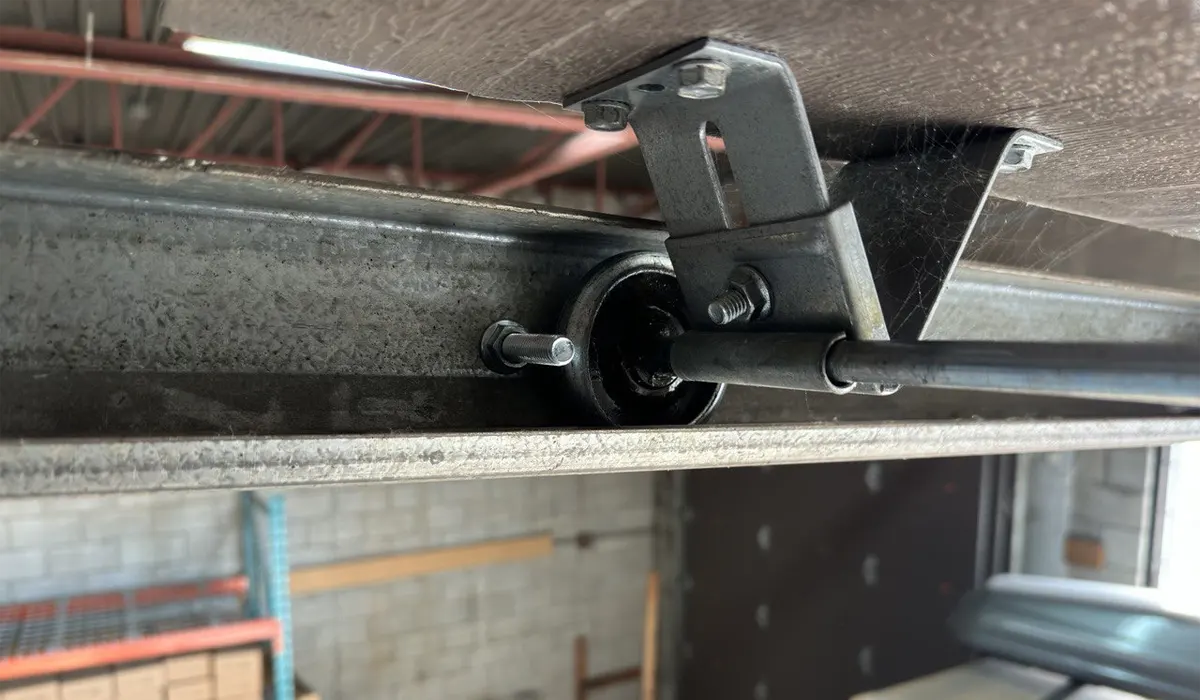
Loud Noises During Operation
Problem / Symptom
Persistent squeaks, rattles, or grinding mean metal parts are dry, loose, or worn. Cold weather thickens old grease, causing rollers and hinges to screech, while a slack chain or loose track bolts rattle loudly. Ignoring the racket lets wear accelerate and can snap a part mid-cycle.
Solution
Clean the tracks, then lubricate rollers, hinges, springs, and the opener chain or screw with a garage-door-rated lithium or silicone spray. Tighten all accessible bolts and replace worn metal rollers with quieter nylon models if needed. If noise persists, a pro can pinpoint hidden wear such as a cracked hinge, flattened roller, or binding spring coil.

Garage Door Remote or Opener Not Working
Problem / Symptom
When the wall button works but the remote does not, the usual culprits are a dead coin-cell battery, lost programming, or accidental “Lock” mode. If nothing works, the opener may have no power, a tripped breaker, or an internal logic-board fault. In freezing cars, weak batteries are common, and radio interference can shorten range.
Solution
Replace the remote battery, confirm the opener’s antenna is intact, and re-program the remote through the “Learn” button. Disable any lockout feature on the wall console, and test range again. If the motor remains unresponsive after verifying power, call a technician to diagnose faulty circuitry, stripped gears, or a seized drive.
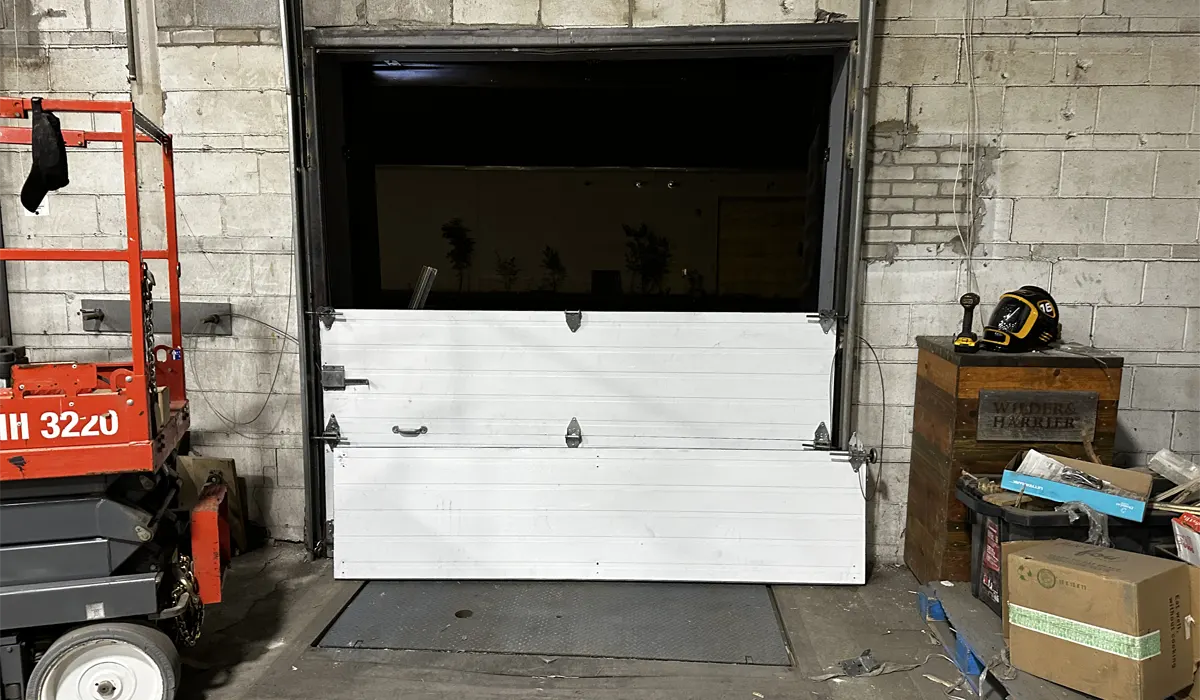
Garage Door Won’t Open or Close Fully
Problem / Symptom
A stuck door can stem from broken springs or cables, iced-shut bottom seals, sensor faults, or bent tracks that stall movement. The opener may hum and stop, or the door may lift a few inches then reverse, hinting at an obstruction or force limit being triggered. Frozen slush or a manual lock accidentally engaged can mimic mechanical failure.
Solution
Work methodically: clear ice or snow from the threshold, unlock any manual latches, clean and align sensors, and try manual lift to check balance. If the door is heavy or skewed, cease attempts and call a pro to address spring or cable issues. When the door moves freely by hand but the opener stalls, a technician can adjust travel limits, replace worn gears, or service the motor.
When to Call a Professional Garage Door Technician
In short, bring in a trained technician whenever safety, structural stability, or persistent malfunction is at stake. If any high‑tension components (springs, cables) break, the door goes off track, or visible damage appears on critical hardware, professional repair is the safest course. Likewise, if basic checks—power, batteries, sensor alignment—don’t restore normal operation, or the door makes alarming noises or moves unpredictably, stop using it and schedule service. Calling a pro protects you from injury, prevents further damage, and ensures the door is restored correctly and reliably.
Frequently Asked Questions
Look for gaps in the torsion spring’s coil, heavy surface rust, or a door that suddenly feels heavier to lift by hand. You may also hear a loud creak or see the door sit slightly crooked when opening. Any of these signs mean the spring is near failure—schedule replacement before it snaps.
First, wipe the photo‑eye safety sensors with a soft cloth and make sure they face each other at the same height. Most doors that “bounce” open are simply detecting dirt, spider webs, or mis‑alignment in those sensors.
Yes—using a garage‑door–rated silicone or lithium spray, lightly lube rollers, hinges, and springs about twice a year (spring and fall). Avoid thick grease on the tracks, and never adjust the spring tension yourself.
Water or snowmelt freezes along the bottom seal, bonding the rubber to the concrete. Gently chip away ice or pour warm—not boiling—water to free it, then clear slush and apply a light silicone spray to the seal to prevent refreezing.
If the opener is 15 years or older, lacks modern safety sensors, makes grinding noises, or needs a major part such as a motor or logic board, replacement usually costs less in the long run and gives you quieter, safer, smartphone‑enabled operation.